

No products in the cart.
How to Decorate with Acoustic Panels: Stylish Ways to Improve Your Space’s Acoustics Leave a comment
In the modern world, we are constantly exposed to noise. Whether it’s the hum of traffic outside your window, the chatter in an office, or the sound of your kids playing, noise can significantly impact our wellbeing and productivity. However, acoustics in our homes and workspaces can be dramatically improved with the use of acoustic panels. Not only do these panels help with sound quality, but they can also elevate the aesthetic of your space. Let’s explore how you can decorate with acoustic panels to create a balanced, comfortable, and stylish environment.
What Are Acoustic Panels?
Acoustic panels are sound-absorbing materials used to reduce noise levels and improve sound quality in a room. They’re typically made from materials such as foam, fabric, or wood, designed to absorb sound waves. While their primary purpose is acoustic, today’s panels come in an impressive range of designs, allowing them to serve as both functional and decorative elements.
Incorporating acoustic panels into your decor doesn’t just improve sound clarity—it can elevate your interior design, helping you create a space that’s both peaceful and visually appealing. Let’s take a closer look at how you can strategically integrate these panels into your home or office. Explore wide range of Acoustic Panels:
- PROA-001 (White Oak) Acoustic Panels (600x21x2700)
- PROA-002 (Light Grey) Acoustic Panels (600x21x2700)
- PROA-003 (Dark Walnut) Acoustic Panels (600x21x2700)
- PROA-004 (Light Oak) Acoustic Panels (600x21x2600)
- PROA-005 (Black) Acoustic Panels – 600x21x2700
- PROA-006 (Grey) Acoustic Panels – 600x21x2700
- More
Benefits of Acoustic Panels
Before diving into the design possibilities, it’s worth highlighting the core benefits of acoustic panels.
- Noise Reduction: They effectively dampen unwanted noise, making them ideal for open-plan living, offices, or even home cinemas.
- Improved Sound Quality: Acoustic panels reduce echo and improve sound clarity. If you’re a music enthusiast or work in a field that relies on audio quality, they’re indispensable.
- Visual Appeal: Modern acoustic panels come in various shapes, colours, and finishes, offering an aesthetic upgrade for your room.
- Health and Productivity: By minimising distractions, acoustic panels can improve focus, productivity, and overall mental wellbeing.
Stylish Ways to Integrate Acoustic Panels Into Your Home
Decorating with acoustic panels doesn’t mean sacrificing style. In fact, these panels are now designed to complement various interior styles, from minimalist to industrial, and can even be customised to match your existing decor.
- Go for Minimalistic Designs
If your space favours clean lines and a minimalist aesthetic, choose acoustic panels that blend seamlessly with the walls. Neutral tones such as white, grey, or black panels can create a subtle yet effective design element without overwhelming the room. These panels can be arranged in neat grid patterns or scattered across the walls for an understated look.
- Create a Statement Wall
A statement wall is a bold way to bring your acoustic panels into the spotlight. You can opt for panels with vibrant colours or eye-catching patterns to create a focal point in the room. For example, a deep blue or rich burgundy can bring warmth to your living room or study. You can even experiment with custom graphics to personalise your panels further.
- Integrate Panels into Furniture
Acoustic panels aren’t just for walls. For a modern twist, incorporate them into furniture pieces like bookshelves, desks, or side tables. Upholstered acoustic panels can be used as a backing for shelves or as part of a room divider, creating a seamless blend of functionality and style.
- Use Textured Panels for Added Depth
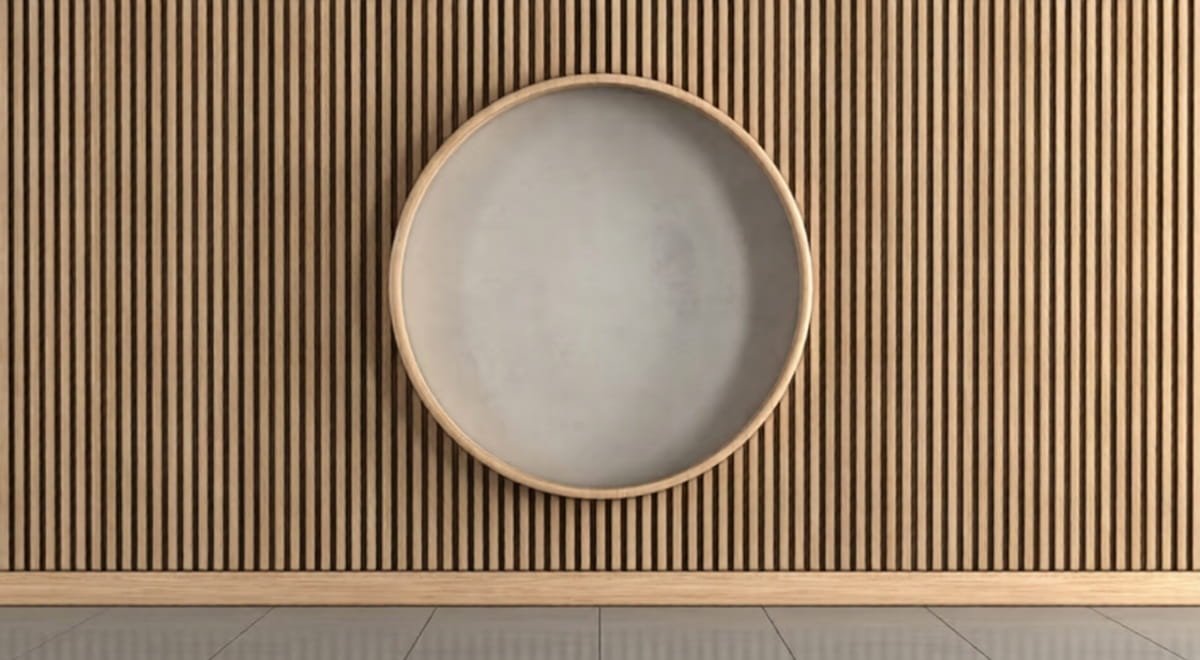
If you want to add a tactile dimension to your decor, opt for textured acoustic panels. These panels often feature materials like fabric or wood, which can enhance the aesthetic value of the room. Wood-textured panels, in particular, lend a warm, natural look and are perfect for creating a relaxed, organic atmosphere.
- Frame Your Panels for a Gallery Look
Framed acoustic panels bring an artistic touch to your room. This approach allows you to create a gallery wall effect while improving the acoustics of the space. You can choose from various prints, from abstract art to nature-inspired motifs, allowing the panels to double as functional art pieces.
Best Locations for Acoustic Panel Placement
When it comes to the placement of acoustic panels, it’s essential to consider both the acoustics and design elements of your room.
- Home Office or Study
For a home office or study, place the panels near workstations or areas where you experience the most sound interference. This will help reduce distractions and boost concentration. You can place panels on the wall behind your desk or even create a partial divider to reduce sound from neighbouring rooms.
- Living Rooms or Open Spaces
In large, open spaces like living rooms or open-plan kitchens, you can use acoustic panels to control noise levels. Try placing them on walls or ceilings where sound tends to bounce the most. This will help maintain the room’s ambiance and ensure clear conversations, especially in busy areas.
- Home Theatres or Music Rooms
Home theatres and music rooms are the perfect environments for acoustic panels. These spaces are designed for optimal sound, and the right panels can improve the quality of the audio. You may want to cover walls entirely or install ceiling panels to reduce echo and improve sound clarity.
Creative Ideas for DIY Acoustic Panels
If you’re feeling crafty and want to add a personal touch to your space, creating your own acoustic panels is a fun and cost-effective way to go. Here’s a simple guide:
- Materials Needed: Acoustic foam, fabric of your choice, a frame (wood or metal), and adhesive.
- Process: Cut the foam to the size of the frame, wrap the foam with fabric, and secure it tightly. Once complete, mount the panels on your walls using adhesive hooks or screws. You can even personalise the fabric to match your interior theme.
DIY panels offer a chance to experiment with colour, texture, and shape, giving you ultimate control over your room’s design.
Choosing the Right Acoustic Panels for Your Needs
When selecting acoustic panels, keep in mind the specific requirements of your space. There are a few things to consider:
- Material: Foam is excellent for absorbing mid-to-high frequencies, while fabric-wrapped panels tend to absorb a broader range of sounds. Wood and metal panels can add an industrial touch and control reverberations effectively.
- Size and Shape: Larger panels absorb more sound, but smaller panels can be arranged for a more stylish, fragmented look.
- Installation: Depending on your space, consider the ease of installation. Some panels come with adhesive backing, while others require drilling for more permanent placement.
Conclusion: Stylish Acoustics for Every Space
Acoustic panels have evolved from purely functional to stylish design elements that improve both the acoustics and aesthetic of your space. Whether you’re looking to reduce noise, improve sound clarity, or simply add a unique touch to your decor, there are countless ways to integrate acoustic panels into your home or office. With options for every style and budget, there’s no reason not to enjoy both beautiful and acoustically optimal spaces.
By considering factors such as material, placement, and design, you can create a space that is as pleasing to the ears as it is to the eyes. So go ahead—decorate with acoustic panels, and experience the perfect balance of sound and style.
FAQs
- Can I install acoustic panels myself?
Yes! Many acoustic panels are easy to install, especially those with adhesive backing. If you prefer a more permanent installation, you can mount them using screws or nails. - Are acoustic panels effective in controlling echo?
Yes, acoustic panels are highly effective in reducing echo, which makes them ideal for large, open spaces like living rooms and offices. - Do acoustic panels improve sound in home theatres?
Absolutely! Acoustic panels help to optimise sound quality in home theatres by reducing reverberation and ensuring clear audio.